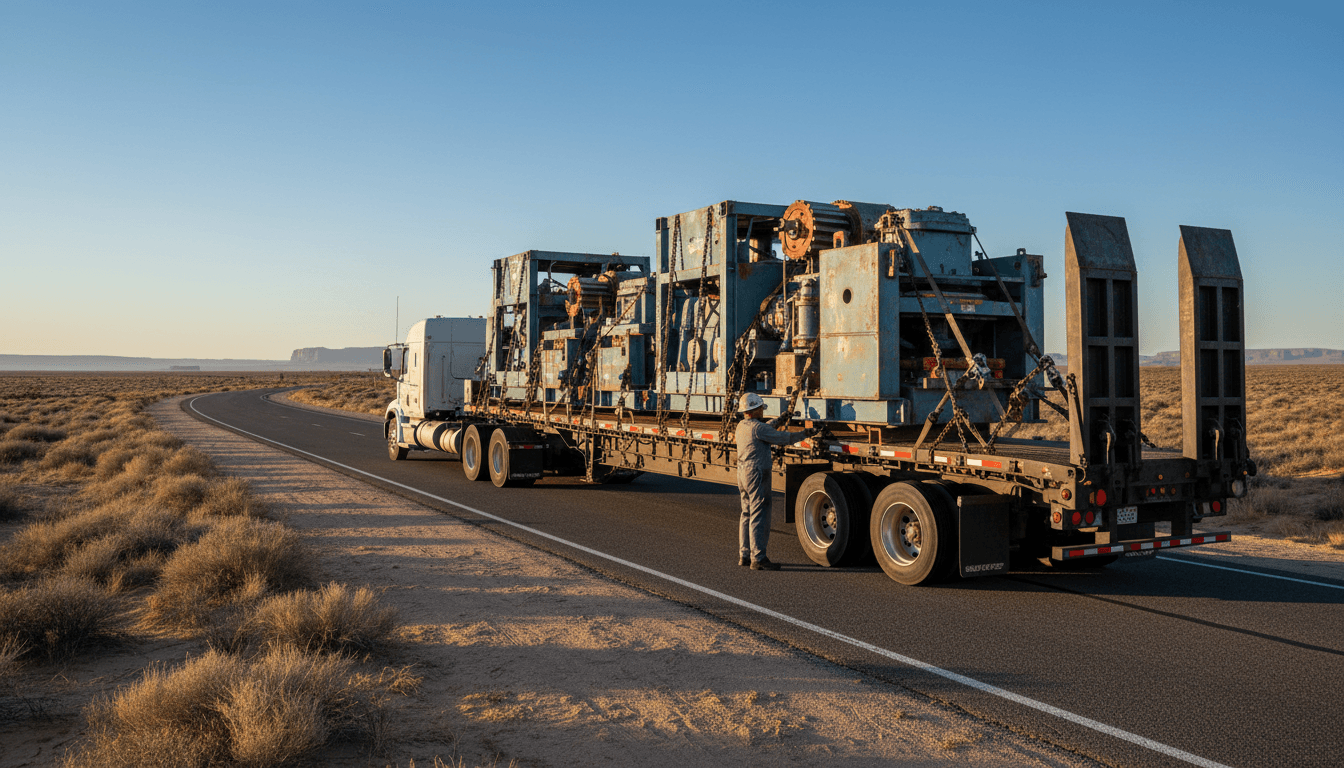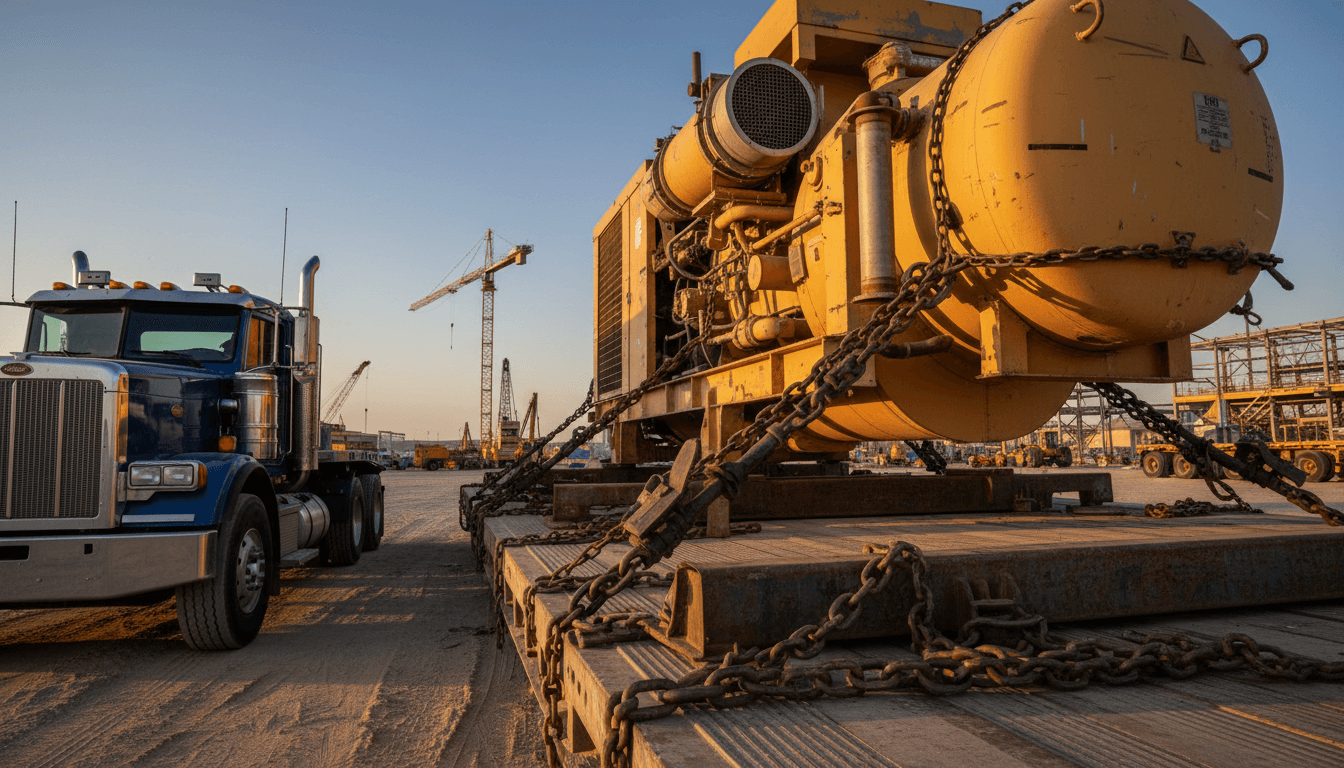
Freight accessorial charges are additional fees applied to a shipping invoice for services that extend beyond standard pickup and delivery. These charges cover specialized requirements such as liftgate usage, residential delivery, or fuel surcharges; providing accurate shipment details upfront helps businesses avoid these unexpected costs on their final bill.
You open your monthly freight statement only to find the total balance looks nothing like the initial quotes you approved. For many growing shippers, these discrepancies are not just an administrative nuisance; they represent a direct drain on profitability that complicates financial forecasting. These extra line items, known as accessorial charges, usually arise from specialized service requirements or overlooked delivery constraints. Mastering these fees is essential for maintaining a lean supply chain, especially when navigating the unique geographical demands of the Intermountain West. In this guide, we will break down the five most frequent charges and examine how re-weighs can quietly kill your margins. You will also learn practical strategies to audit your invoices and leverage a logistics partnership to ensure your shipping costs remain predictable as you scale.
What Are Freight Accessorial Charges and Why Do They Appear on Your Invoice?
Freight accessorial charges refer to services performed by a carrier that exceed the scope of a standard dock to dock pickup and delivery. In a typical shipping scenario, a driver arrives at a commercial facility equipped with a loading dock, the freight is loaded, and it is then transported to another commercial dock. When the requirements of a shipment deviate from this baseline, carriers apply accessorials to account for the additional labor, specialized equipment, and administrative time involved.
These charges are not arbitrary line items or simple markups; instead, they reflect the tangible costs of managing complexities in the supply chain. For example, if a delivery requires a driver to wait an hour for a receiver to clear warehouse space, that time directly impacts the carrier's ability to complete other scheduled stops. Industry research indicates that surcharges and accessorials can account for 25 to 40 percent of a total shipping invoice, making them a significant factor in a business's overhead.
For small business owners, understanding the gap between the base linehaul rate and the final landed cost is essential for maintaining accurate margins. The linehaul rate covers the movement of the freight from point A to point B, but the landed cost includes every fee required to get the product to its final destination. By prioritizing accuracy in the initial quoting process and utilizing reliable logistics solutions, businesses can better predict these costs rather than reacting to them when the invoice arrives. Identifying these potential triggers before the shipment leaves the warehouse is the first step toward effective cost control.
The Five Most Common Accessorial Charges for Small Businesses
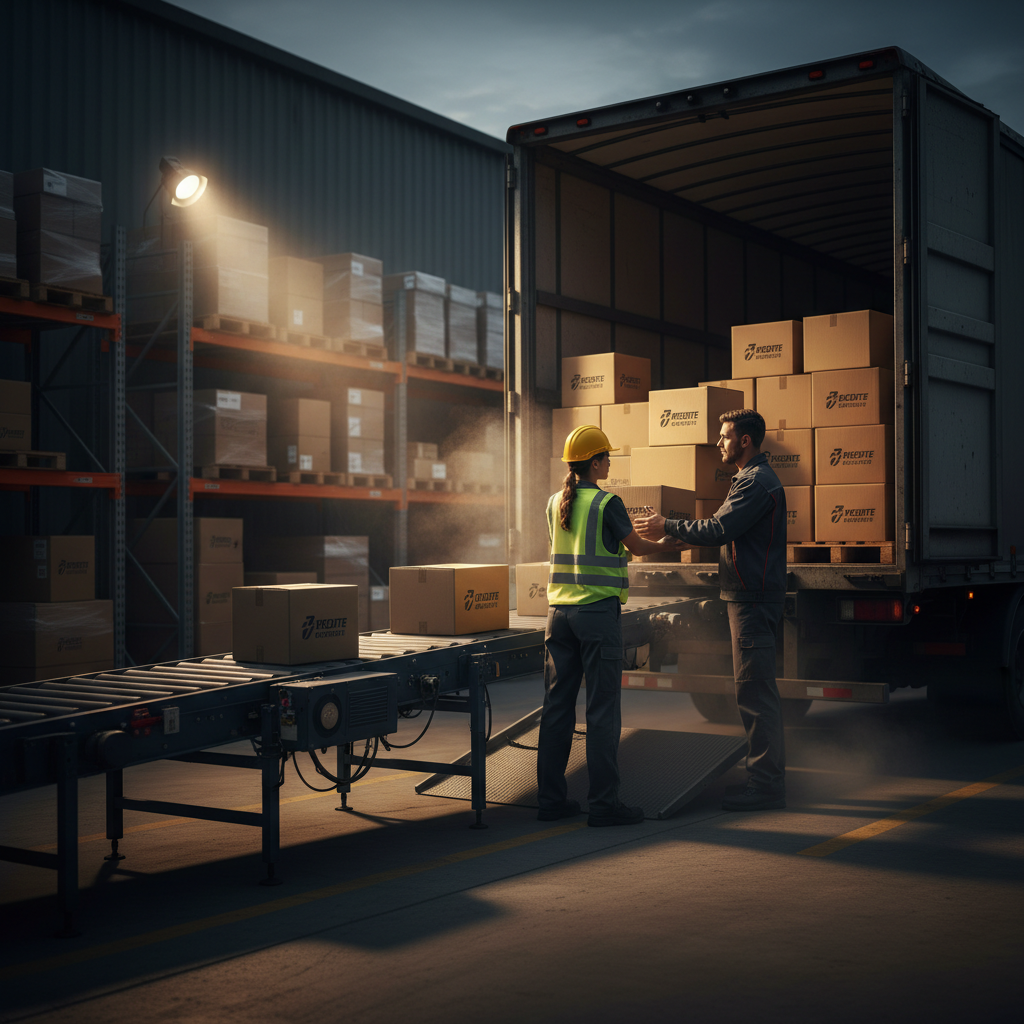
Identifying potential triggers before a truck arrives at your facility is the most effective way to control your landed costs. While dozens of freight accessorial charges exist, most small businesses encounter the same five fees. Recognizing these service requirements during the quoting phase allows you to budget accurately and avoid unexpected adjustments on your final invoice.
Accessorial Charge | Typical Price Range | Trigger Condition |
|---|---|---|
Liftgate Service | $75 – $150 | No loading dock or forklift available at pickup or delivery. |
Residential Delivery | $50 – $125 | Delivery to a home, apartment, or home-based business. |
Inside Delivery | $50 – $100 | Freight must be moved beyond the trailer threshold or loading dock. |
Limited Access | $50 – $150 | Locations with restricted entry, such as schools, prisons, or job sites. |
Detention Fees | $75 – $100 per hour | Driver waiting time exceeding the standard grace period (usually 30 minutes). |
Liftgate Service: Standard freight trailers are designed for loading docks roughly 48 to 52 inches high. If your facility or your customer's location lacks a dock or a forklift, a truck equipped with a hydraulic liftgate is required to lower the freight to the ground safely. This equipment occupies space on the trailer and requires additional maintenance, which is why carriers charge a premium for its use.
Residential Delivery: Carriers define residential areas based on zoning and ease of access. Even if a business operates out of a home, the carrier will apply this fee because residential streets are often narrow, have low-hanging trees, or lack turn-around space for a 53 foot trailer. This surcharge covers the additional time and risk involved in navigating non-commercial neighborhoods.
Inside Delivery: A standard coordinated delivery assumes the driver will leave the pallet at the edge of the trailer or on the dock. If the driver is asked to move the freight through a doorway, into a lobby, or down a hallway, an inside delivery fee is triggered. This accounts for the increased labor and the liability risk of moving heavy goods inside a building.
Limited Access: This fee applies to locations that are not necessarily residential but present challenges for a standard delivery route. Examples include construction sites, fairgrounds, schools, and military bases. These locations often require security check-ins or have restricted hours that disrupt the driver’s schedule.
Detention Fees: Time is a carrier's most valuable asset. Most LTL (Less-Than-Truckload) carriers provide a 15 to 30 minute window for loading or unloading. Once that window closes, detention fees begin to accrue. Ensuring your dock is clear and your paperwork is ready can prevent these hourly charges from accumulating.
The Hidden Profit Killers: Re-weighs and Re-classifications
While site-specific fees are predictable, the most damaging freight accessorial charges often occur after the driver leaves your dock. Once a shipment enters a carrier terminal, it typically passes through a dimensioner. These automated systems use lasers and infrared sensors to capture the exact weight and cubic dimensions of a pallet in seconds. If these measurements differ from your Bill of Lading (BOL), the carrier will issue a re-weigh or re-classification fee.
The financial impact of an incorrect National Motor Freight Classification (NMFC) code is significant. Because freight class is determined by density, stowability, and liability, a carrier re-classifying a shipment from Class 70 to Class 125 can easily double your linehaul rate. Beyond the rate increase, carriers often apply a flat administrative fee, typically between $25 and $50, just for the labor of correcting the documentation.
To protect your margins, invest in a calibrated floor scale and ensure your team knows how to measure to the furthest points of the pallet, including any overhanging shrink wrap. We recommend taking a clear photo of the pallet on the scale with a tape measure showing height, width, and length. This documentation is your primary leverage if you need to contact our logistics professionals to dispute an inaccurate carrier invoice. Providing reliable logistics solutions requires this level of precision to ensure the quote you receive matches the final bill.
Regional Challenges: Logistics in the Intermountain West

Navigating the geographical landscape of the Intermountain West introduces unique variables that frequently trigger freight accessorial charges. In states like Utah, Idaho, and Wyoming, the terrain is as challenging as it is beautiful. High mountain passes, unpredictable seasonal weather, and vast distances between metropolitan hubs create a complex environment for standard freight operations. For shippers in this region, Limited Access fees are a recurring challenge rather than an occasional exception.
In our experience, these charges often stem from the remote nature of the delivery points. A shipment destined for a rural mining site in Wyoming or a mountainous construction zone in Northern Utah requires specific route planning that national carriers often overlook in their initial automated quotes. Because Intermountain Logistics is based in Fillmore, UT, we operate with a localized understanding of these routes. We know which areas require smaller equipment to navigate narrow canyons and which commercial addresses are actually remote outposts with restricted entry.
By leveraging our expertise in regional distribution, we provide more accurate landed cost estimates than a broker sitting in a different time zone. We understand the specific requirements of the I-15 corridor and the rural highways that connect our communities. When you contact our logistics professionals, you are speaking with a team that accounts for these regional nuances before the truck leaves the dock. This local insight ensures that coordinated delivery remains predictable, allowing you to scale your business across the Intermountain region without the sticker shock of unpredicted fees. Utilizing reliable logistics solutions that are grounded in regional expertise is the most effective way to manage the logistics of the high desert and mountain west.
How to Avoid Surprise Costs and Audit Your Freight Bills

Reducing the impact of freight accessorial charges requires a proactive approach rather than a reactive one. Small businesses can significantly stabilize their shipping budgets by implementing a Standard Operating Procedure (SOP) for every outbound shipment. This internal checklist ensures that all variables are accounted for before the driver arrives at the dock, preventing the carrier from applying corrections later.
An effective SOP should include the following verification steps: - Destination Verification: Use satellite imagery or address databases to confirm if a delivery site is zoned residential or commercial. This prevents residential surcharges and limited access fees from appearing as surprises. - Equipment Requirements: Explicitly ask the receiver if they have a loading dock or a forklift. If they do not, note the liftgate requirement on the initial quote and the Bill of Lading. - BOL Accuracy: Ensure the Bill of Lading (BOL) matches the physical shipment exactly. This includes the final palletized weight, the total dimensions, and the correct National Motor Freight Classification (NMFC) code.
Auditing every invoice against the original quote is equally important. When a bill arrives, compare it line by line to your quoted rate. If a carrier adds a detention fee or a re-weigh charge, verify it against your own warehouse logs and timestamped photos. If the data does not align, contact our logistics professionals to help resolve the discrepancy. Carriers often make errors in their automated systems, and documented proof is your only defense.
Modern planning and routing tools also play a critical role in cost control. These systems use historical delivery data to predict potential accessorials based on specific destinations. By leveraging reliable logistics solutions that utilize these tools, you can anticipate costs that might not be obvious to a manual scheduler. This level of coordinated delivery management ensures that the price you are quoted is the price you actually pay, protecting your bottom line from the erosion of unexpected service fees.
Partnering with a Reliable Logistics Provider to Scale Your Growth
Managing freight accessorial charges effectively is not just about audit tools; it is about working with a partner who understands your specific operation. At Intermountain Logistics, we function as an extension of your team to ensure that small details, like a missing liftgate requirement or a restricted construction site, are identified before the truck arrives at the dock. Our focus on communication and accuracy minimizes the risk of delayed shipments and unpredicted costs that erode profit margins.
For small businesses in the Intermountain West, scaling requires dependable supply movement. By leveraging experienced professionals and modern routing tools, we provide reliable logistics solutions that prioritize timing and trust. We emphasize coordinated delivery that accounts for regional geography and specific site needs. When you contact our logistics professionals, you gain a partner dedicated to controlling costs through precise planning. This approach allows your business to grow with the confidence that your logistics overhead is managed, optimized, and transparent.