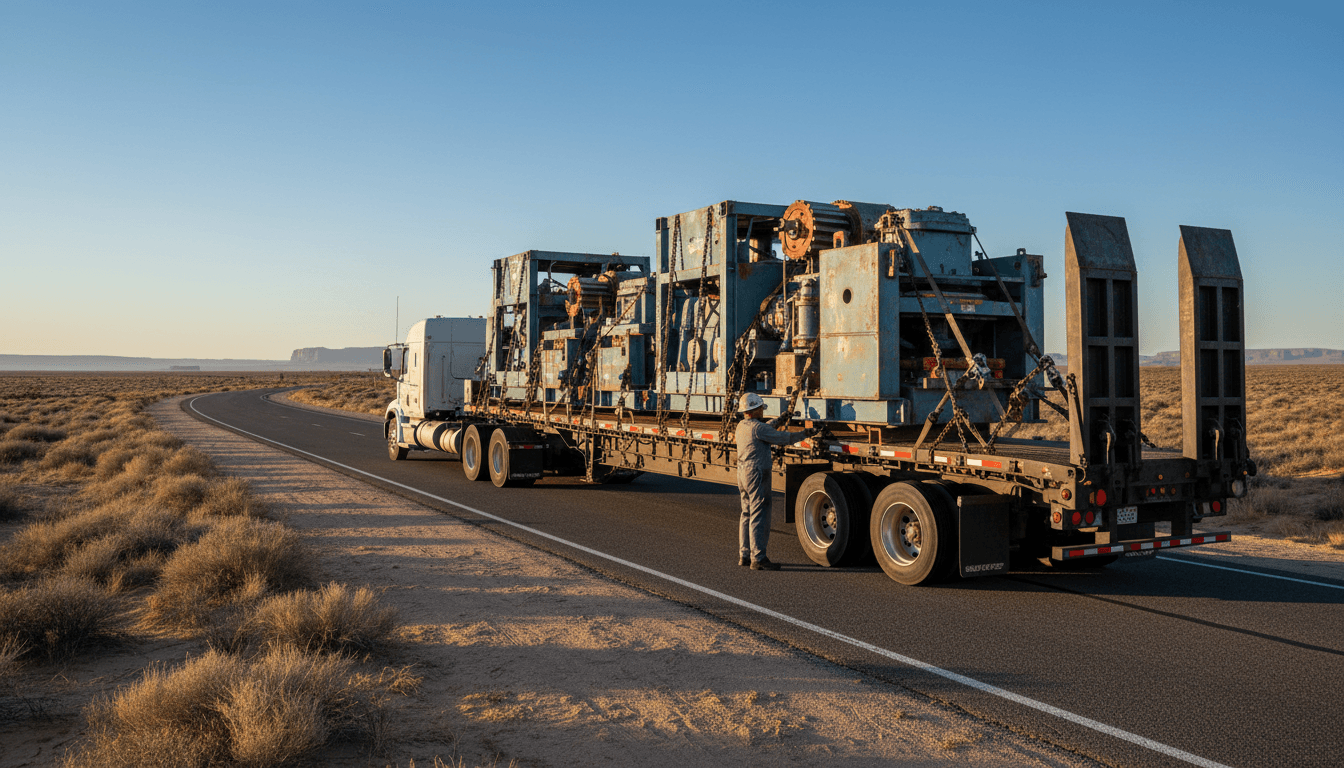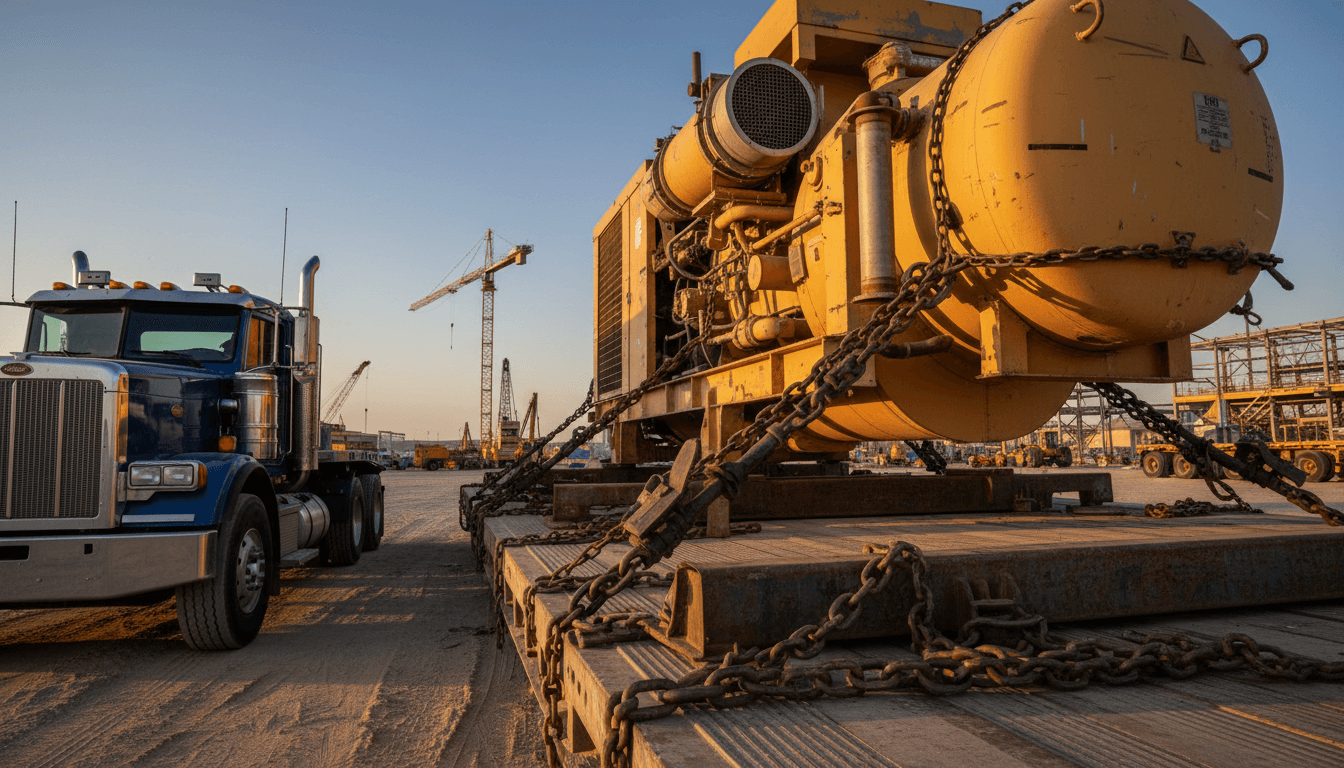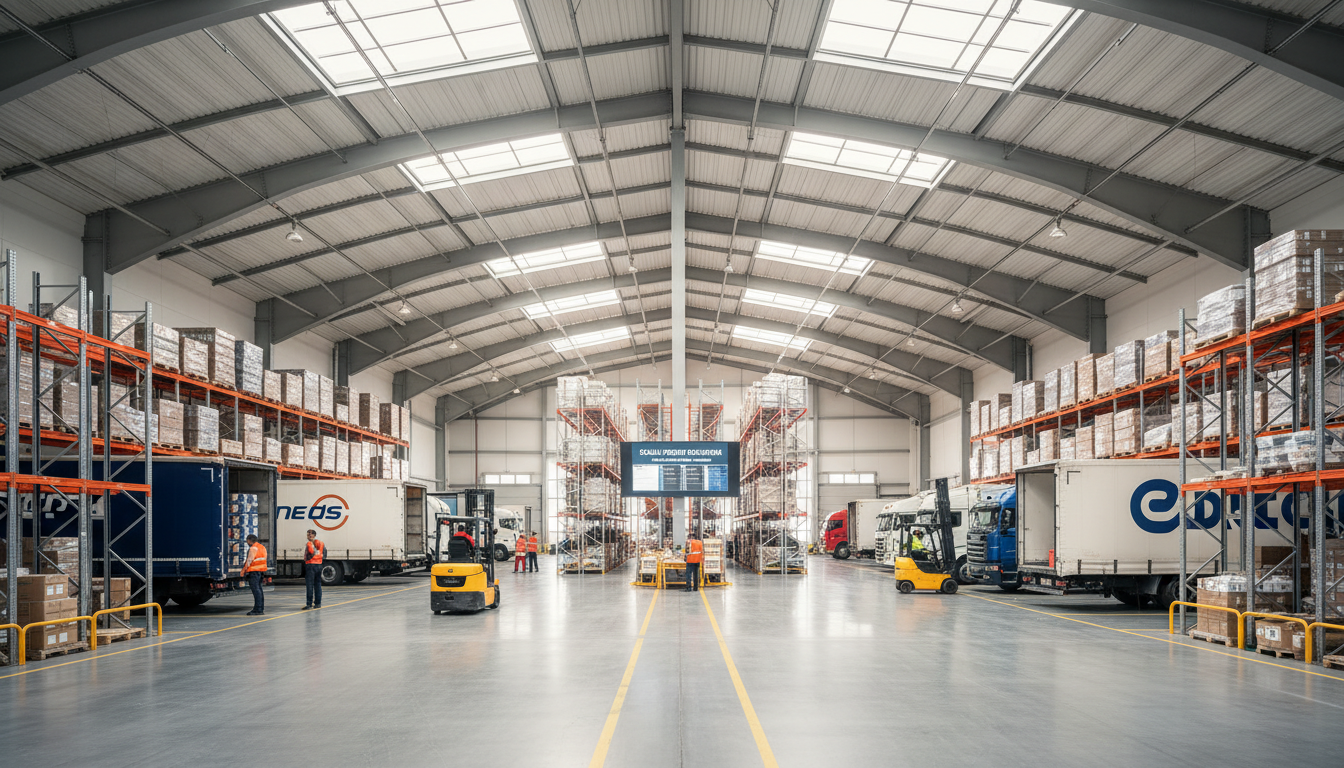
LTL shipping saves small businesses money by charging only for the trailer space used; however, FTL is more cost-effective for shipments exceeding twelve pallets or those requiring dedicated equipment. When comparing ltl vs ftl, businesses should choose LTL for smaller, flexible loads and FTL for high-volume, fragile, or time-sensitive freight.
Navigating the complexities of freight shipping often feels like a balancing act between protecting your margins and meeting demanding delivery schedules. For many small businesses, the frustration of paying for empty trailer space or experiencing transit delays can stifle growth and strain client relationships. Choosing between Less Than Truckload (LTL) and Full Truckload (FTL) is not merely a logistical task; it is a strategic decision that impacts your entire operational efficiency. This guide provides a comprehensive breakdown of both methods, exploring how each influences cost, security, and handling. We will also examine specific regional logistics factors across the Intermountain West and identify when alternative options like volume LTL are the superior choice. Our goal is to equip you with the expertise needed to streamline your shipments and maximize your transportation budget without compromising on reliability.
Understanding the Fundamentals: What Are LTL and FTL?
Growing businesses eventually reach a logistical crossroads where small parcel shipping, the standard for individual boxes, no longer makes financial sense. This is when freight becomes the primary method for moving inventory. Understanding the choice between ltl vs ftl starts with how trailer space is allocated and billed.
Less Than Truckload (LTL) is built on a shared space model. In this arrangement, your cargo occupies a portion of a trailer alongside freight from other businesses. You only pay for the specific footprint your pallets occupy, making it a scalable option for shipments that are not large enough to fill a standard 53 foot trailer. It is the logistical equivalent of a ride share for cargo.
Full Truckload (FTL) involves a dedicated trailer for a single shipper. When you book an FTL shipment, you pay for the entire truck's capacity regardless of how much floor space your goods actually use. This method offers exclusivity, meaning the trailer is yours from the moment it is loaded at your facility until it arrives at its destination. Partnering with experienced logistics professionals ensures you select the method that aligns with your specific weight, volume, and budget requirements. Identifying the right tipping point is essential for maintaining reliable logistics solutions as your supply chain scales.
LTL Shipping: The Cost Effective Choice for Growing Inventories

LTL shipping serves as the primary engine for businesses scaling beyond parcel delivery. This mode is best suited for shipments weighing between 150 and 15,000 pounds, which typically translates to one to six pallets. The core advantage is cost sharing. By paying only for the floor space your pallets occupy, you can maintain consistent inventory flow without waiting to accumulate enough volume to fill a 53 foot trailer. This makes LTL a highly flexible tool for managing reliable logistics solutions during periods of growth.
The logistical framework of LTL relies on a hub and spoke distribution model. Instead of moving directly from point A to point B, your shipment travels to a local terminal, is consolidated with other freight, and passes through several regional hubs. While this maximizes trailer efficiency for the carrier, it introduces two specific variables that shippers must account for: increased handling and variable transit times. Because your freight is loaded and unloaded at multiple terminals, the risk of minor transit damage is higher than in a dedicated trailer, making high quality palletization and shrink wrapping essential.
A significant pain point for many businesses new to the ltl vs ftl decision is the complexity of pricing. Unlike other shipping methods, LTL costs are heavily influenced by Freight Class, governed by the National Motor Freight Classification (NMFC) system. This system categorizes goods based on four specific metrics:
Density: The weight per cubic foot of the shipment.
Stowability: How easily the freight can be stacked or fit with other goods.
Handling: The degree of difficulty or special equipment required to move the cargo.
Liability: The value of the goods and their susceptibility to damage or theft.
Miscalculating these factors often leads to a re-class, where carriers adjust the invoice after the shipment is picked up. By working with experienced logistics professionals to verify NMFC codes and density, businesses can avoid these unexpected costs and capitalize on the significant savings LTL offers for smaller, frequent shipments.
FTL Shipping: When Speed and Security Are Non Negotiable

When your shipment requires maximum security or an urgent delivery window, Full Truckload (FTL) shipping is the necessary step up from shared transit. In the ongoing evaluation of ltl vs ftl for your supply chain, FTL stands out as the direct, straight shot option. This method provides total exclusivity; your cargo is the only freight on the trailer, which eliminates the time consuming terminal transfers and consolidation delays that characterize the hub and spoke model.
A common question for growing businesses is: what is considered a full truckload? In the industry, a standard full truckload typically utilizes a 53 foot dry van or refrigerated trailer. While you do not have to fill every inch of that space to book the service, FTL becomes the most practical choice once your shipment reaches 12 or more pallets or exceeds 15,000 to 20,000 pounds. Beyond these thresholds, the per pallet cost often balances out against the benefits of dedicated service.
The primary advantage of FTL is the drastic reduction in freight handling. Because the trailer is sealed at the origin and remains closed until it reaches the destination, the goods are handled only twice: during initial loading and final unloading. This significantly lowers the possibility of transit damage, making it the preferred choice for high value or fragile goods. Furthermore, FTL offers firm pickup and delivery appointments. Because the driver is not navigating multiple stops for other shippers, arrival times are predictable and consistent. For businesses with strict warehouse schedules, experienced logistics professionals recommend FTL to ensure reliable logistics solutions that protect the bottom line from delay related penalties.
The Key Differences: Speed, Handling, and Cost
Deciding between the two primary freight modes requires a clear understanding of the trade-offs involving time, safety, and budget. While LTL offers flexibility for smaller inventory levels, FTL provides control over the entire transit process.
Metric | Less Than Truckload (LTL) | Full Truckload (FTL) |
|---|---|---|
Speed | Variable; depends on hub transfers. | Fast; direct route to destination. |
Handling | High; multiple touchpoints at terminals. | Minimal; trailer remains sealed. |
Cost | Lower total price for small shipments. | Lower per-unit cost for high volume. |
Speed is the most immediate difference. LTL shipments function on estimated delivery windows because the truck must stop at various regional terminals to consolidate freight. In contrast, FTL provides a direct route, making it the superior choice for time sensitive inventory that cannot afford delays.
Handling frequency directly impacts cargo risk. Every time a forklift moves your pallet at a regional hub, the potential for transit damage increases. FTL minimizes these touchpoints to just two: initial loading and final delivery. This is why experienced logistics professionals often recommend FTL for fragile or high value goods.
When asking which is cheaper, the answer depends entirely on shipment size. LTL is the budget friendly choice for one to six pallets because you avoid paying for empty trailer space. However, once you reach 10 to 12 pallets, the total cost of an FTL shipment often results in a lower cost per pallet, providing more reliable logistics solutions for larger orders. The ltl vs ftl decision ultimately balances the lower entry price of shared space against the efficiency of a dedicated truck.
The Middle Ground: Volume LTL and Partial Truckloads
When a shipment exceeds six pallets but does not quite reach the twelve pallet threshold, the ltl vs ftl decision becomes more complex. Many businesses feel forced to choose between the high cost of a dedicated truck and the slow, high touch environment of standard LTL. This grey area is best managed through Volume LTL or Partial Truckload (PTL) services.
Partial Truckload is a particularly effective middle ground for growing companies. In a PTL model, your freight stays on a single trailer from pickup to delivery, bypassing the regional hub and spoke system. This significantly reduces the risk of transit damage since the goods are not constantly moved by forklifts at different terminals. A major advantage of PTL is that carriers typically do not require a formal NMFC freight class. Instead, pricing is based on the linear feet of trailer space used and the total mileage, which removes the unpredictability of re-classification fees.
Experienced logistics professionals often recommend PTL as a hidden gem for scaling operations. It offers the security and speed of a dedicated route without the price tag of a full 53 foot trailer. By utilizing these intermediate options, you can secure reliable logistics solutions that maintain high efficiency as your inventory volume outgrows traditional shared space.
Regional Logistics Factors: Navigating the Intermountain West

Shipping in the Intermountain West requires more than just knowing ltl vs ftl basics; it requires geographic awareness. In states like Utah, Idaho, and Nevada, regional geography plays a massive role in transit reliability. For LTL shipments, the hub and spoke model creates multiple opportunities for weather related delays. When a shipment must pass through several terminals to cross mountain passes, a single winter storm at one hub can trigger a cascade of delays across the entire route. Because LTL relies on a synchronized network of transfers, one closed pass can stall freight for days.
FTL shipments often navigate these regional challenges better because they are direct. A dedicated driver can adjust their route in real time to avoid a closed pass or wait out a blizzard without the pressure of making multiple terminal appointments. Being based in Fillmore, Utah, gives experienced logistics professionals a strategic advantage. Located right on the I-15 corridor, Fillmore acts as a central pivot point for the region, allowing for efficient routing that bypasses some of the congestion found in larger metropolitan hubs like Salt Lake City or Las Vegas. By leveraging this local positioning, we provide reliable logistics solutions that account for unique terrain and seasonal volatility, helping businesses maintain their schedules even when the weather is unpredictable.
How to Choose the Right Freight Method Without Overpaying

Navigating the ltl vs ftl choice requires a pragmatic look at your current shipment specifics rather than relying on general rules of thumb. To avoid overpaying, start by auditing the physical characteristics and the urgency of the goods. If your shipment consists of more than six pallets, you are entering the zone where a dedicated truck or a partial load often becomes more economical and safer than traditional LTL.
Use the following checklist to determine your best path:
Is the cargo fragile or high value? FTL reduces touchpoints and minimizes the risk of damage during terminal transfers.
Does the destination lack a loading dock? LTL carriers offer liftgate services, but these are accessorial charges that can drive up costs unexpectedly.
Is there a strict "Must Arrive By Date" (MABD)? FTL provides the predictability needed to avoid retailer chargebacks and late fees.
What is the density of the freight? LTL pricing relies heavily on pounds per cubic foot; low density items often result in higher freight classes and higher base rates.
Small businesses frequently overlook accessorial charges, which can quickly erase the savings of a low initial quote. Common add ons include limited access fees for schools or construction sites, residential delivery surcharges, and notification fees. Before finalizing a shipment, experienced logistics professionals recommend verifying all pickup and delivery requirements to ensure quotes are accurate. By accounting for these hidden costs and calculating your freight density beforehand, you can secure reliable logistics solutions that scale with your volume. For tailored advice on your specific regional routes, contact Intermountain Logistics to review your shipping profile.