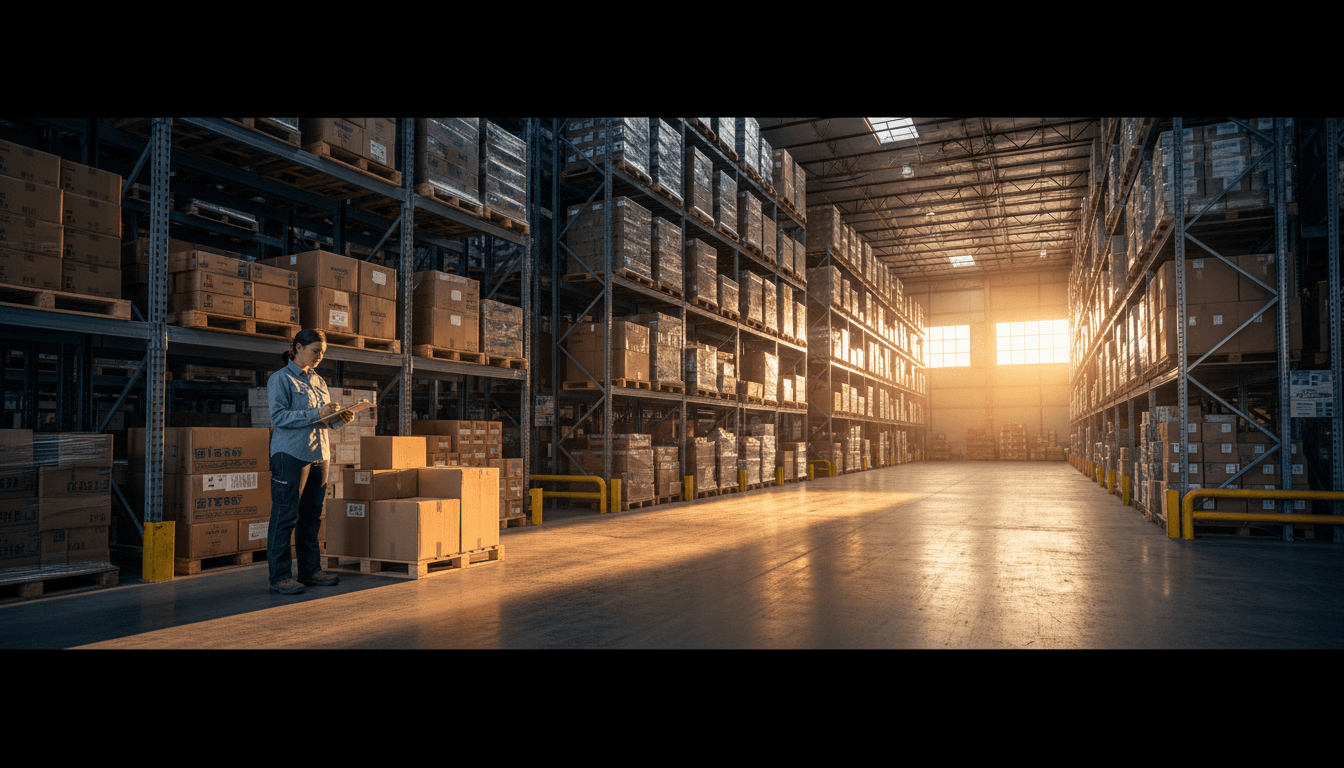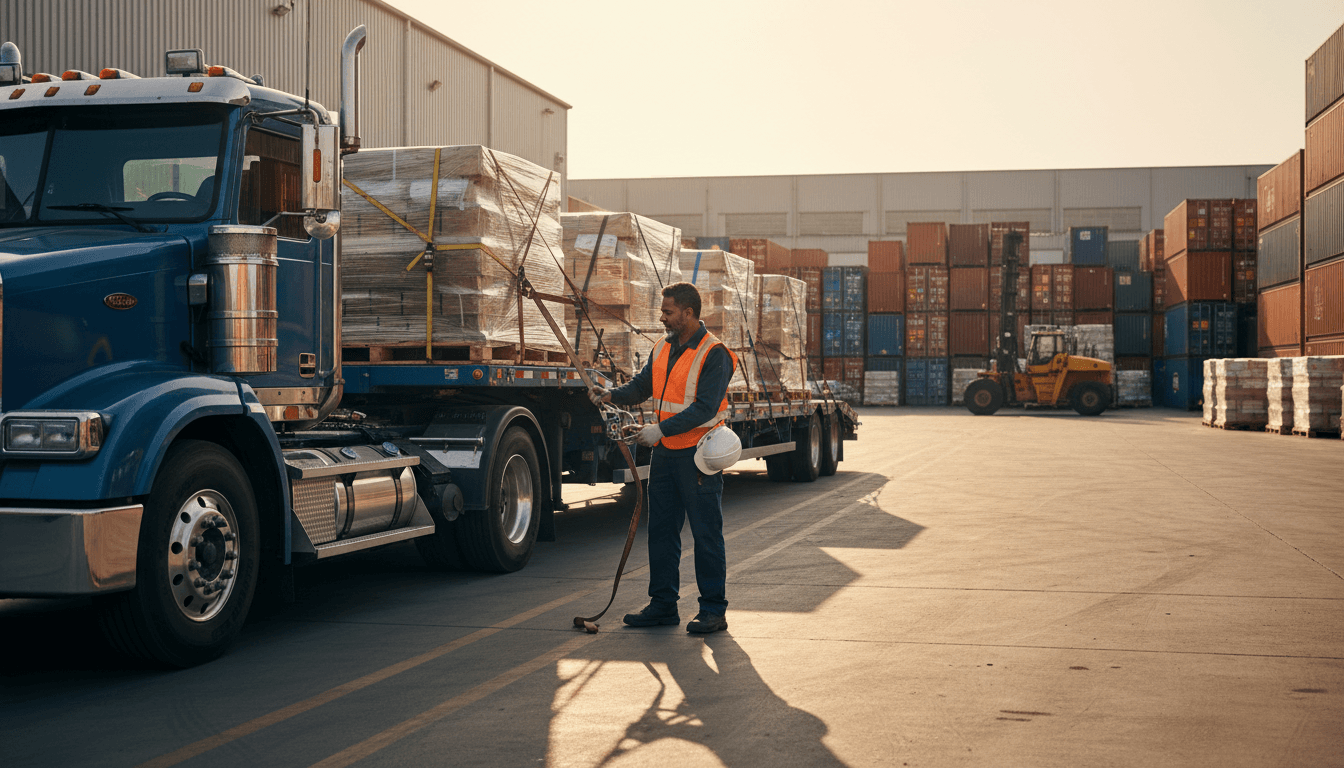
Small businesses can prevent costly delays and hidden fees by implementing real-time LTL freight tracking solutions that provide end-to-end supply chain visibility. These tools allow shippers to proactively manage exceptions and reduce missed delivery windows; they also help streamline communication with carriers. By utilizing advanced software, companies gain actionable data to optimize their shipping processes and ensure reliable freight movements.
For many small business owners, the period between an LTL shipment leaving the dock and arriving at its destination feels like a logistical black hole. You are often left staring at a static PRO number while navigating the fallout of missed delivery windows or unexpected accessorial fees. This lack of visibility does more than cause stress; it erodes your bottom line through inefficient labor planning and damaged customer relationships. Understanding the nuances of milestone based tracking is the first step toward regaining control. In this guide, we will examine the technical foundations of freight tracking and explain how to use real time data to avoid costly delays. We will cover everything from decoding PRO numbers to leveraging regional expertise, providing you with a practical roadmap to transform your shipping department into a proactive, transparent operation.
Understanding the Foundation: What Is a PRO Number in LTL Shipping?

Small business owners often find the terminology of logistics confusing, but mastering the basics of LTL freight tracking starts with identifying the correct reference number. The industry standard is the PRO number, which stands for Progressive Rotating Order. This 7 to 10 digit series acts as the primary tracking ID for your shipment once it enters the carrier's network.
It is important to distinguish the PRO number from the Bill of Lading (BOL) number. The BOL serves as the legal contract between the shipper and the carrier; it details the contents, destination, and terms of the movement. In contrast, the PRO number is a logistical identifier assigned by the driver or terminal when the carrier physically takes possession of the freight. While many carriers allow you to search via a PO or BOL number, the PRO number remains the most reliable way to pull accurate data. Because it is tied directly to the carrier's internal routing system, it reduces the risk of duplicate results or missing information that can occur with customer generated reference numbers.
For businesses prioritizing reliable logistics solutions, locating this number quickly is essential. When a driver arrives for pickup, they will typically peel a barcode sticker from a pre-printed sheet and attach it directly to your copy of the BOL. This sticker contains the PRO number. Recording this number immediately ensures you can begin monitoring the shipment's progress through the Intermountain region and beyond. If you ever have difficulty locating a shipment status, you can always contact Intermountain Logistics for assistance in navigating these identifiers to keep your supply chain moving efficiently.
Milestone Based Tracking: Why LTL Isn't Like Amazon Prime
Once you have your PRO number, it is tempting to check the carrier's portal every few hours, expecting a live map of the truck's location. However, LTL freight tracking operates on a milestone based system rather than the real-time GPS updates common in consumer parcel delivery. This distinction is critical for small business owners to understand because it explains why a shipment might appear to vanish into a "black hole" for a day or two.
Unlike a single package on a courier van, LTL freight moves through a hub and spoke network. A pallet is generally only tracked when it is physically scanned by a dock worker or driver. Between these scans, the shipment is typically locked inside a sealed trailer moving between regional terminals. Consequently, the tracking status will not change until the trailer reaches its next destination and the pallet is unloaded. For a shipment moving through the Intermountain region, this gap often occurs while freight is in transit between hubs like Fillmore, Utah, and larger regional centers.
Effective LTL freight tracking relies on five primary milestones: - Picked Up: The carrier has received the goods and the driver has applied the PRO sticker to the paperwork. - Arrived at Origin Terminal: The shipment has reached the initial sorting facility to be consolidated onto a long haul trailer. - In Transit: The freight is moving between regional hubs. This is where the longest gaps in updates occur. - Arrived at Destination Terminal: The shipment has reached the local facility responsible for the final delivery leg. - Out for Delivery: The pallet is on a local truck and is scheduled to arrive at the receiver during that business day.
Understanding these stages is essential for avoiding hidden shipping fees caused by poor dock coordination. If a shipment is marked "In Transit" for 48 hours, it simply means the freight is moving through the network as planned. Visibility will return as soon as the pallet reaches the next terminal scan, allowing you to prepare your staff for the arrival.
How to Track an LTL Freight Shipment Step by Step
Tracking a shipment requires a systematic approach to ensure you are viewing the most current data. First, locate the PRO number from your copy of the Bill of Lading. Once you have this identifier, visit the carrier’s tracking portal. For regional shipments within the Intermountain area, utilizing Intermountain Logistics’ specialized tools provides direct access to localized movement data; for national hauls, you will use the carrier’s public facing site.
When reviewing the status, interpret the Estimated Delivery Date (EDD) as a window rather than a strict guarantee. LTL transit times are subject to terminal congestion and consolidation delays, so a shipment arriving a day early or late is common. To stay informed without manual checks, sign up for automated email or SMS alerts within the portal whenever the shipment hits a new milestone.
For businesses managing a high volume of freight across different providers, it is important to distinguish between carrier tracking and Transportation Management System (TMS) tracking. Carrier tracking is specific to one company’s assets, while a TMS aggregates data from multiple carriers into a single dashboard. This centralized view is a key part of maintaining reliable logistics solutions as your business scales, allowing for comparative analysis of performance across your entire supply chain and streamlining your LTL freight tracking workflow.
Using Shipment Visibility to Prevent Costly Accessorial Fees

Beyond basic oversight, effective LTL freight tracking serves as a financial defense mechanism against accessorial charges. These fees are added to the base rate when a carrier performs services beyond a standard dock-to-dock move. By using visibility tools to anticipate a shipment's arrival, small business owners can eliminate the logistical friction that typically triggers these extra costs.
The moment a shipment reaches the "Arrived at Destination Terminal" milestone, the clock begins to tick on potential costs. If you notice this status in the carrier portal, you should immediately verify that the delivery site is accessible and that the receiver is prepared to accept the pallet. Proactive verification prevents Re-delivery Fees, which frequently exceed $100 per occurrence if the driver attempts a delivery and finds a closed gate or an unprepared dock. Furthermore, if a shipment sits at a regional hub because the receiver cannot take it, carriers will bill for Storage Fees. These charges accumulate daily and can quickly erase the profit margins on a small business order.
Visibility also allows for precise dock management to avoid Detention Fees. Most LTL carriers provide a standard 30 minute window for loading or unloading before they begin billing for the driver's time. By monitoring the "Out for Delivery" status, you can ensure that your warehouse team or forklift operator is available the moment the truck arrives in Fillmore or elsewhere in the region. Having your staff ready to work immediately keeps you within that free time window and keeps the driver’s route on schedule.
Common Accessorial Fee | Typical Cause | How Visibility Prevents It |
|---|---|---|
Re-delivery Fee | Receiver not ready or closed | Confirm site readiness once shipment hits Destination Terminal. |
Storage Fee | Freight left at terminal > 48 hours | Schedule delivery immediately upon terminal arrival scan. |
Detention Fee | Unloading exceeds 30-minute window | Staff the dock appropriately for the Out for Delivery window. |
Using tracking data for proactive communication is the most effective method for avoiding hidden shipping fees. If the tracking portal shows a delay or a shift in the delivery window, reaching out to the consignee prevents a driver from arriving at a closed facility. This level of coordination transforms LTL freight tracking from a passive observation into an active cost saving strategy that scales with your business growth.
The Importance of Regional Expertise in Visibility

Effective LTL freight tracking requires more than just a digital ping; it requires an understanding of the geography where your goods are moving. In the Intermountain region, covering Utah, Idaho, and Nevada, the physical environment plays a massive role in transit times. A generic estimated delivery date (EDD) generated by a national carrier's algorithm often fails to account for the reality of mountain pass weather or the logistical nuances of rural delivery routes in places like Fillmore, UT. While a large carrier portal might display a vague "Exception" status when a truck is delayed, it leaves the business owner guessing about the cause and the resolution.
This is where regional expertise becomes a critical component of shipment visibility. A local logistics partner provides personalized communication that bridges the data gap. Instead of a sterile online status, a local dispatcher can explain exactly why a delay is occurring. They might note that a winter storm has temporarily closed a pass on I-15 or that a specific rural route requires a liftgate truck that is currently cycling back from a neighboring county. For a small business, this level of detail is far superior to automated alerts. It allows for precise planning and better customer service.
By partnering with a team that offers reliable logistics solutions, you gain access to human insights that software cannot replicate. If you encounter an unclear status on a shipment moving through the West, you can contact Intermountain Logistics to get the ground-level context necessary for avoiding hidden shipping fees and managing your receiver's expectations accurately. This localized approach transforms raw data into actionable intelligence, ensuring your supply chain remains resilient despite regional challenges.
Freight Visibility Challenges for Small Businesses
Freight visibility is the capacity to monitor a shipment's location and status in real time through the supply chain. For small businesses, achieving this level of transparency is often hindered by the data gap. Unlike large corporations that use expensive Electronic Data Interchange (EDI) or API integrations, smaller operations frequently lack the technical infrastructure to automate LTL freight tracking across multiple carriers. This forced reliance on manual website checks makes it difficult to proactively manage exceptions or notify customers of delays before they become problems.
The solution for growing businesses involves leveraging a coordinated logistics provider or 3PL. By consolidating shipments through a partner like Intermountain Logistics, you gain access to enterprise level visibility tools without the upfront software investment. These providers centralize data from various carriers into a single, accessible stream, allowing you to focus on avoiding hidden shipping fees through better planning. Accessing reliable logistics solutions ensures that even low volume shippers can benefit from sophisticated tracking technology. If you are struggling with fragmented data, you can contact Intermountain Logistics to learn how coordinated freight management bridges the visibility gap for regional small businesses.
Managing LTL shipments effectively requires a blend of technology and proactive communication. By mastering these tracking strategies, your small business can significantly reduce the risk of delays and unexpected fees. While implementing these steps yourself is a great start, growing your operations often brings more complex logistics challenges. If you want expert help navigating the nuances of freight visibility, you can learn more about how we support growing businesses. Our team is here to ensure your shipments remain on schedule and within budget.